
"Fruit tree"
10000 article(s) found
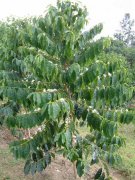
A real picture of the harvest process from coffee tree to coffee fruit
The coffee tree is more than 3 meters tall. Coffee flowers white flowers, beautiful like magnolia, but life is short, it will wither after 3 days! After the coffee beans are in full bloom, the coffee beans turn from green to red and when the fruit is bright red and ripe, you can begin to pick and harvest the fruit, remove the skin, soak it in water for 12 to 16 hours, and then wash it. Remove the peel of coffee beans

Introduction to the method of regional treatment for the description of taste and flavor of coffee trees
When can coffee trees bear fruit, flavor description, characteristics of varieties, regional treatment methods for different regions, the harvest time of coffee varies from region to region. Regions north of the equator (such as Ethiopia and Central America) are generally harvested from September to November. South of the equator, such as Brazil and Zimbabwe, although the harvest can last until August, the main one is in April or May.

Brazilian Coffee harvesting and processing capacity-effect of Brazilian Weather on Coffee
Brazilian Coffee harvesting and processing capacity-effect of Weather on Coffee in Brazil the vigorous production period of a coffee tree usually lasts about 15 years, and of course some trees are still fruitful for 20 or 30 years. As soon as the coffee tree loses its ability to bear fruit, it will be cut down on the spot and uprooted so as not to compete for nutrients with other trees that are still strong and can bear fruit. Coffee yield and the species and growing environment of coffee trees

Coffee trees, raw coffee beans and ripe beans tell you what coffee is.
Now coffee has come into our lives, and all kinds of coffee shops are all over the streets. While we enjoy delicious coffee, do you know the origin of coffee? The planting conditions of coffee trees the origin of coffee trees is in Ethiopia, Africa. In botany, the coffee tree belongs to the evergreen tree of the coffee subgenus of Rubiaceae, and the so-called coffee bean is coffee.

Production conditions of Coffee trees Shijiazhuang Cafe
Fertilization was carried out in combination with plastic surgery within 1-2 days after planting. The fertilization of young coffee trees is mainly nitrogen fertilizer, while appropriate application of phosphorus and potassium fertilizer, in order to accelerate the formation of crown and promote the development of roots. Human and animal manure and green leaf retting fertilizer also have a good effect on the growth of young coffee trees. Coffee seedlings can be fertilized for the first time two months after planting, and then once every 1-2 months. Such as human and animal dung
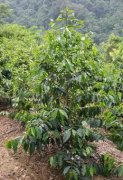
Basic knowledge of boutique coffee about coffee trees, coffee flowers, coffee fruits
The coffee tree is an evergreen tree with small white flowers and green fruit that does not turn red until it is ripe. A normal coffee tree can usually grow to a height of 5 to 10 meters, but bean farmers often prune it to less than 2 meters for harvest convenience. After flowering, there are many dark green oval fruits, and the mature fruits change from dark green to bright red, due to the color and cherry.

What's the difference between cocoa beans and coffee beans? can coffee trees be planted at home? will they bear fruit?
Professional coffee knowledge exchange more coffee bean information Please follow the coffee workshop (Wechat official account cafe_style) said that drinks are often comparable, coffee and cocoa are people's favorite drinks, but they are foolishly confused about their raw materials coffee beans and cocoa beans, and it is common to get mixed up often. today, the editor is going to teach coffee and cocoa consumers a tutorial on coffee.

The basic knowledge of coffee beans the planting of coffee trees
Coffee tree coffee (Xoffea arabica Linn) coffee is a perennial evergreen shrub or small tree of Rubiaceae. It is a horticultural perennial cash crop with the characteristics of fast growth, high yield, high value and wide market. Wild coffee trees can grow to 5 to 10 meters high, but coffee trees planted on manors are often cut to less than 2 meters in order to increase fruit and facilitate harvesting.

The growing environment of coffee beans the planting conditions of coffee trees
Coffee tree coffee (Xoffea arabica Linn) coffee is a perennial evergreen shrub or small tree of Rubiaceae. It is a horticultural perennial cash crop with the characteristics of fast growth, high yield, high value and wide market. Wild coffee trees can grow to 5 to 10 meters high, but coffee trees planted on manors are often cut to less than 2 meters in order to increase fruit and facilitate harvesting.

The forming Environment of Coffee trees
In botany, coffee trees belong to the evergreen trees of the subgenus Rubiaceae, and coffee beans, commonly known as coffee beans, are actually the seeds of the fruit of coffee trees, just because they are shaped like beans. Climate is the decisive factor for coffee cultivation. Coffee trees are only suitable for growing in the tropics or subtropics, so the zone between latitude 25 degrees south and north is generally called coffee belt or coffee area.
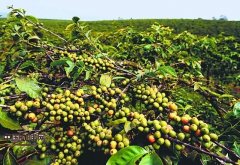
Common sense of Coffee planting requirements and conditions of Coffee trees
The origin of the coffee tree is Ethiopia in Africa. In botany, coffee trees belong to the evergreen trees of the subgenus Rubiaceae, and coffee beans, commonly known as coffee beans, are actually the seeds of the fruit of coffee trees. They are called coffee beans only because they are shaped like beans. Climate is the decisive factor for coffee cultivation. Coffee trees are only suitable for growing in the tropics or subtropics, so latitude 25 degrees south and north.

Basic knowledge of high-quality coffee the planting conditions of coffee trees
Coffee tree coffee (Xoffea arabica Linn) coffee is a perennial evergreen shrub or small tree of Rubiaceae. It is a horticultural perennial cash crop with the characteristics of fast growth, high yield, high value and wide market. Wild coffee trees can grow to 5 to 10 meters high, but coffee trees planted on manors are often cut to less than 2 meters in order to increase fruit and facilitate harvesting.

Introduction of Indonesian Coffee Flavor with Sweet Fruit introduction to Kahayang Gan Manor
Shade planting: there are shade tree species in the coffee garden, such as orange tree, avocado tree, banana tree, papaya tree, pineapple tree and several local flowers and herbs. Harvest time: raw beans in December, January and February each year. Appearance: emerald green grade: 18, 19 mesh plus average annual temperature: 25 C (daily temperature difference is about 10 C) annual rainfall: 2700 mm, volcanic ash porous water seepage geological treatment method: washing and drying

Basic knowledge of high-quality coffee the planting conditions of coffee trees
Coffee tree coffee (Xoffea arabica Linn) coffee is a perennial evergreen shrub or small tree of Rubiaceae. It is a horticultural perennial cash crop with the characteristics of fast growth, high yield, high value and wide market. Wild coffee trees can grow to 5 to 10 meters high, but coffee trees planted on manors are often cut to less than 2 meters in order to increase fruit and facilitate harvesting.
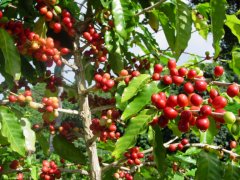
Coffee planting technology to share the growth process and planting conditions of coffee the life span of coffee trees is only …
Professional coffee knowledge exchange more coffee bean information please follow the coffee workshop (Wechat official account cafe_style) A coffee tree bears fruit several times a year. This time, we would like to introduce the whole process of coffee beans from planting to picking, so that we can fully understand the process of coffee beans from scratch. The growth process of coffee is from seeds (or cuttings, grafting) at the seedling stage.
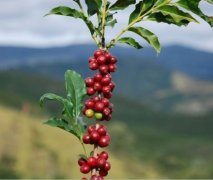
Fine Coffee study the forming Environment of Coffee trees
In botany, coffee trees belong to the evergreen trees of the subgenus Rubiaceae, and coffee beans, commonly known as coffee beans, are actually the seeds of the fruit of coffee trees, just because they are shaped like beans. Climate is the decisive factor for coffee cultivation. Coffee trees are only suitable for growing in the tropics or subtropics, so the zone between latitude 25 degrees south and north is generally called coffee belt or coffee area.

Which countries grow coffee trees? how much fruit does a coffee tree have?
The fruit of coffee grown contains two seeds, namely coffee beans. The two beans are connected face to face with each other on one side of the plane. Each coffee bean has a thin outer film, which is called silver skin, and its outer layer is covered with a yellow outer skin, called endocarp. The whole coffee bean is wrapped in a sticky pulp to form a soft pulp.

General knowledge of high-quality coffee planting requirements and conditions of coffee trees
The origin of the coffee tree is Ethiopia in Africa. In botany, coffee trees belong to the evergreen trees of the subgenus Rubiaceae, and coffee beans, commonly known as coffee beans, are actually the seeds of the fruit of coffee trees. They are called coffee beans only because they are shaped like beans. Climate is the decisive factor for coffee cultivation. Coffee trees are only suitable for growing in the tropics or subtropics, so latitude 25 degrees south and north.

Coffee beans Coffee Tree Coffee Tree Coffee Bean
Classification of plants Coffee beans Coffee trees belong to the evergreen tree of Rubiaceae. Rubiaceae plants have been dominated by plants with special effects since ancient times, such as quinine tree, which is regarded as a specific drug for malaria, and Dugen, which is used to treat amoeba dysentery. Coffee is defined as the most unique alkaloid drinking flora. The fruit of coffee consists of outer skin, pulp, endocarp, silver skin, and the above-mentioned layers.

Boutique coffee learn coffee trees, coffee flowers, coffee fruits
The coffee tree is an evergreen tree with small white flowers and green fruit that does not turn red until it is ripe. A normal coffee tree can usually grow to a height of 5 to 10 meters, but bean farmers often prune it to less than 2 meters for harvest convenience. After flowering, there are many dark green oval fruits, and the mature fruits change from dark green to bright red, due to the color and cherry.